











Better materials.
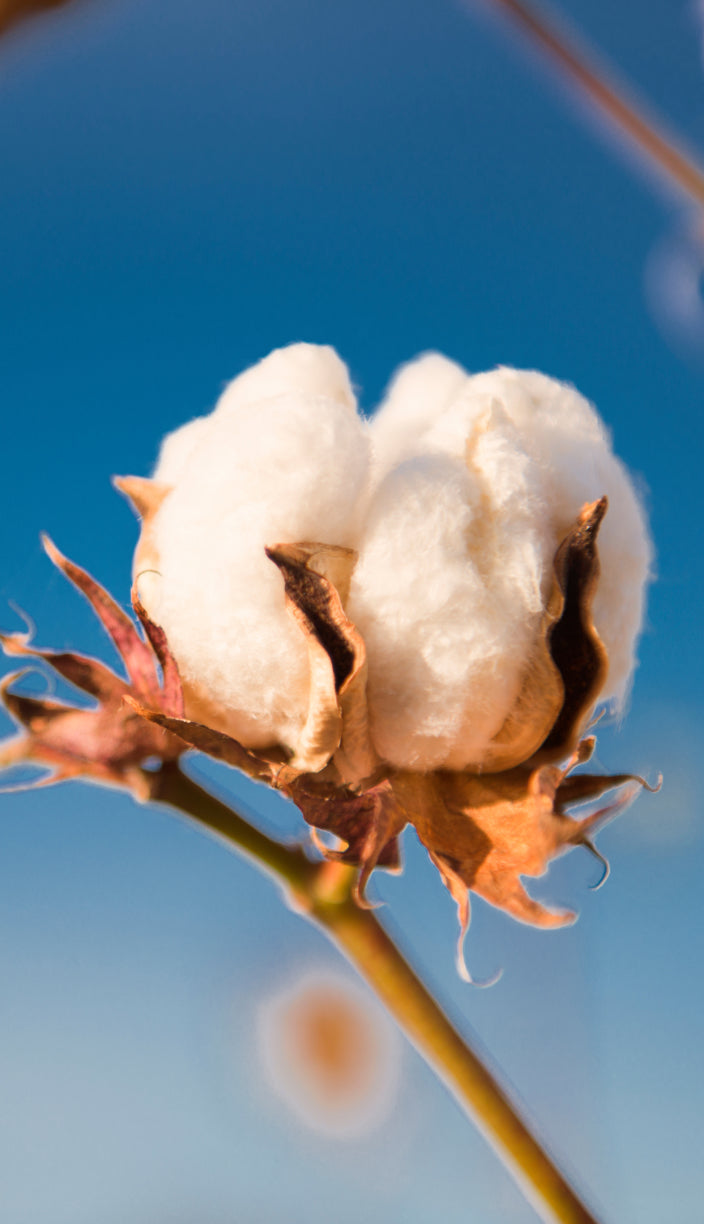
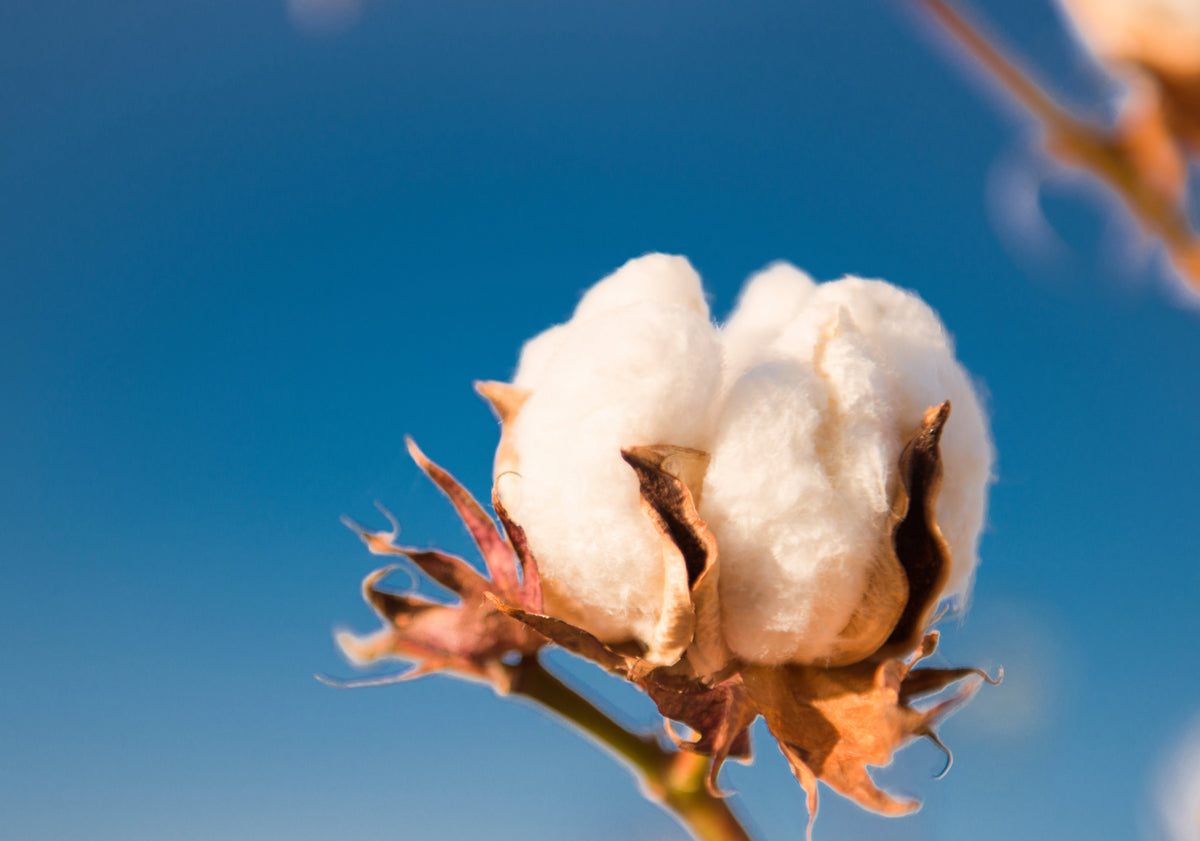
Our heritage begins with cotton. From denim to fleece, our clothes feel better when they are made from better. That's why we leverage third-party standards and programs for cotton cultivation that promote soil health, resource conservation, and farmer well-being.
98% of Gap Inc. cotton came from more sustainable resources in 2024.
Better practices also means a more mindful use of virgin materials. We utilize recycled polyester, wool, nylon, and cotton in our effort to reduce our reliance on new resources and divert from the waste stream.
40% of Gap inc. polyester came from recycled sources in 2024.
Through our Washwell program, we reduce water usage by at least 20% compared to conventional wash methods in the finishing of our jeans and khakis. Gap inc. has saved 6 billion liters of water through Washwell since 2016.
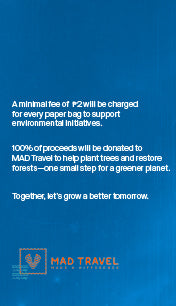
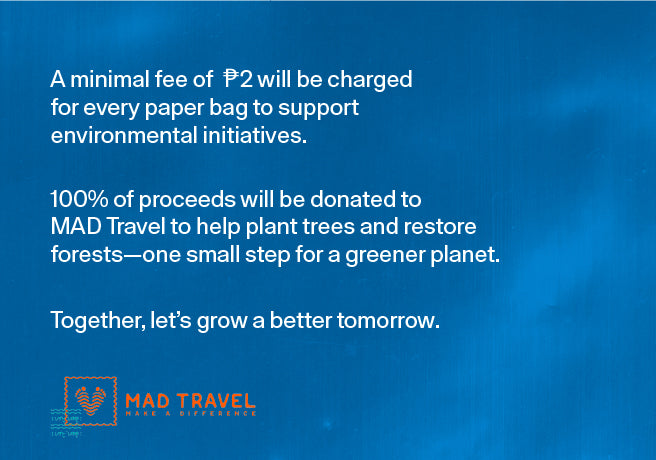
Our sustainability efforts don’t stop with our clothes. Better clothing deserves better packaging. We are continuously working toward packaging options that are recyclable, incorporate recycled content, and reduce our use of unnecessary and problematic plastics.
Our retail shoppers are paper made from 100% post consumer waste, and our mailers are made from 100% recycled plastic.
Get into the details.


Gap Inc's. Animal Welfare Policy expects all suppliersto source products in an ethical, responsible manner. Learn more here: https://www.gapinc.com/en-us/impact/policies-and-disclosures/sustainability-policies
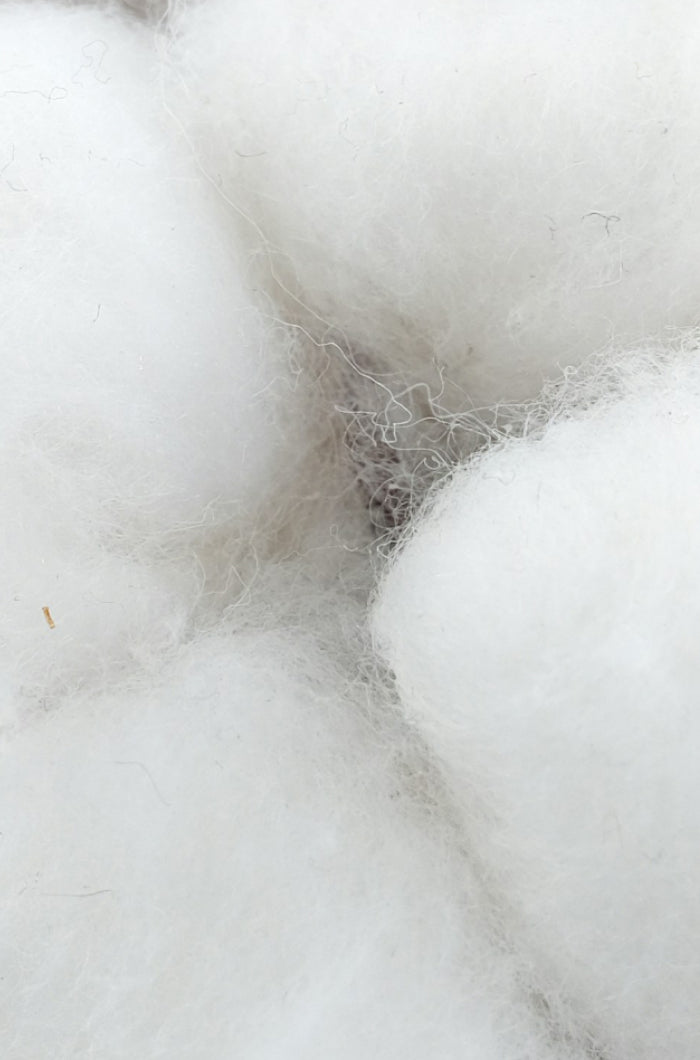

Gap parnters with Better Cotton to help improve cotton farming globaly. Better Cotton is sourced via a chain of custody model called mass balance. This means that Better Cotton is not physically traceable to end products, however, Better Cotton farmers benefit from the demand for Better Cotton in equivalent volumes to those we "source".
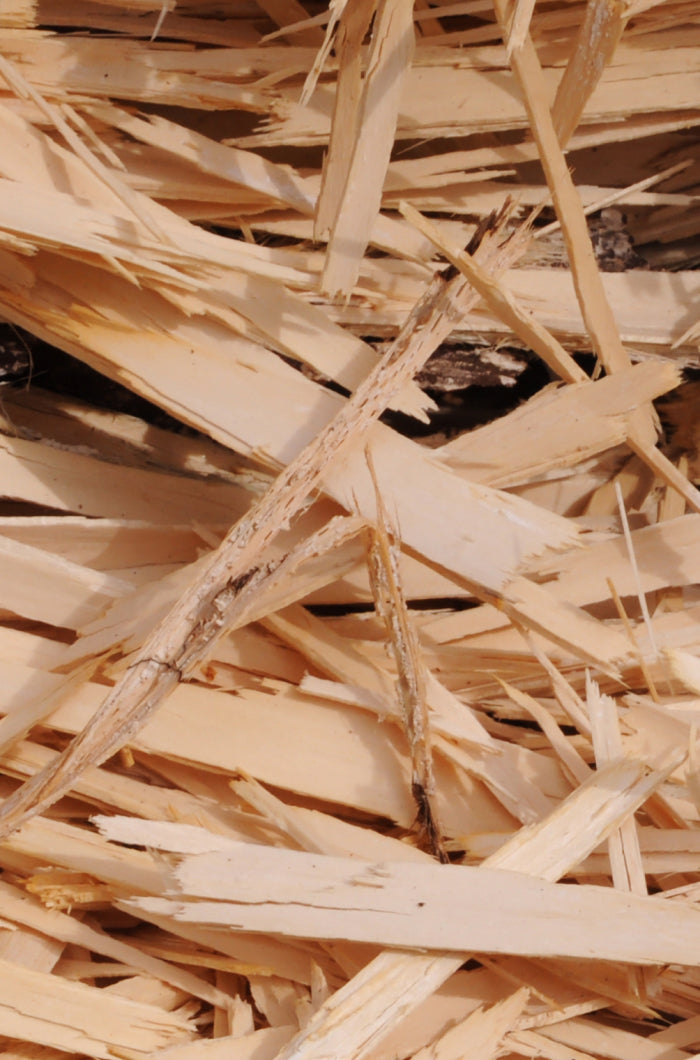

Eastman Naia™ cellulosic fiber is derived from wood pulp that is sourced from responsibly managed pine and eucalyptus forests. Naia is produced in a closed-loop process where solvents are recylced back into the process for reuse.
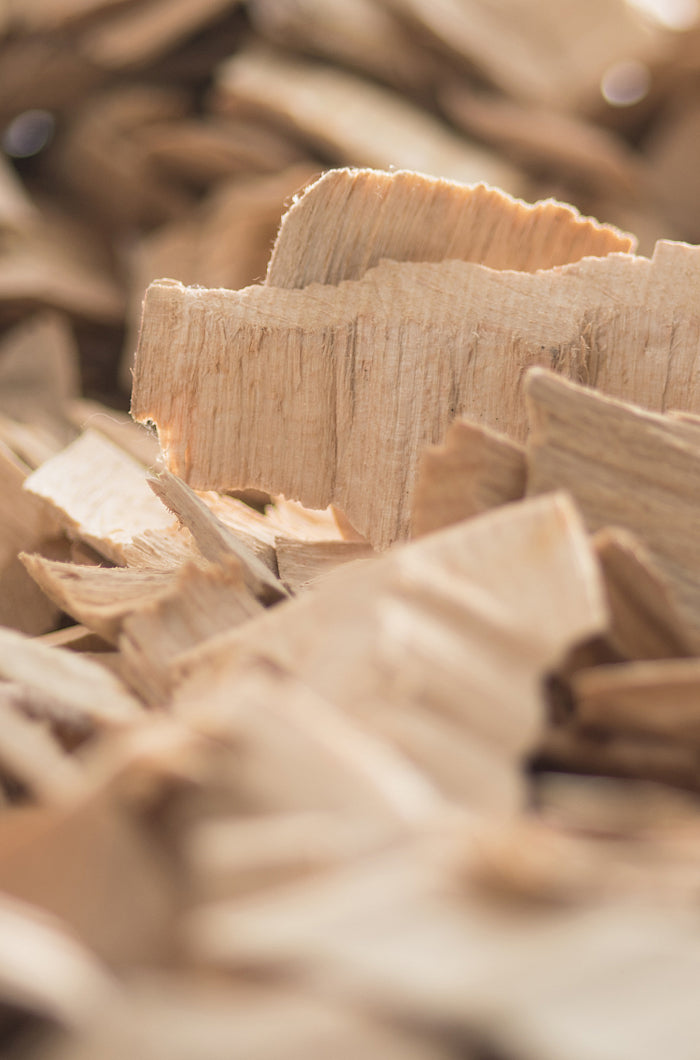
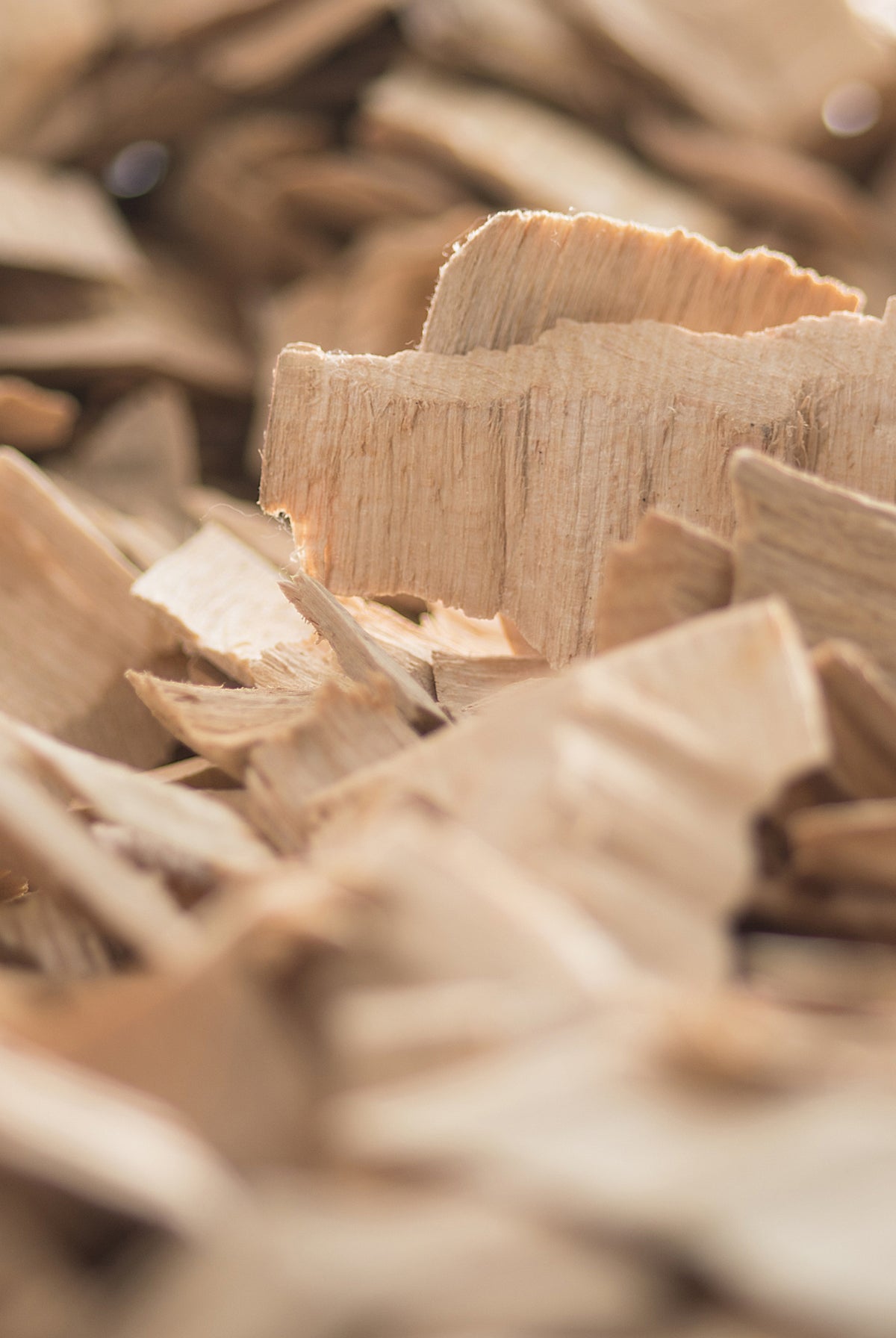
LENZING™ ECOVERO™ viscose fibers are derived from controlled or certified wood sources.
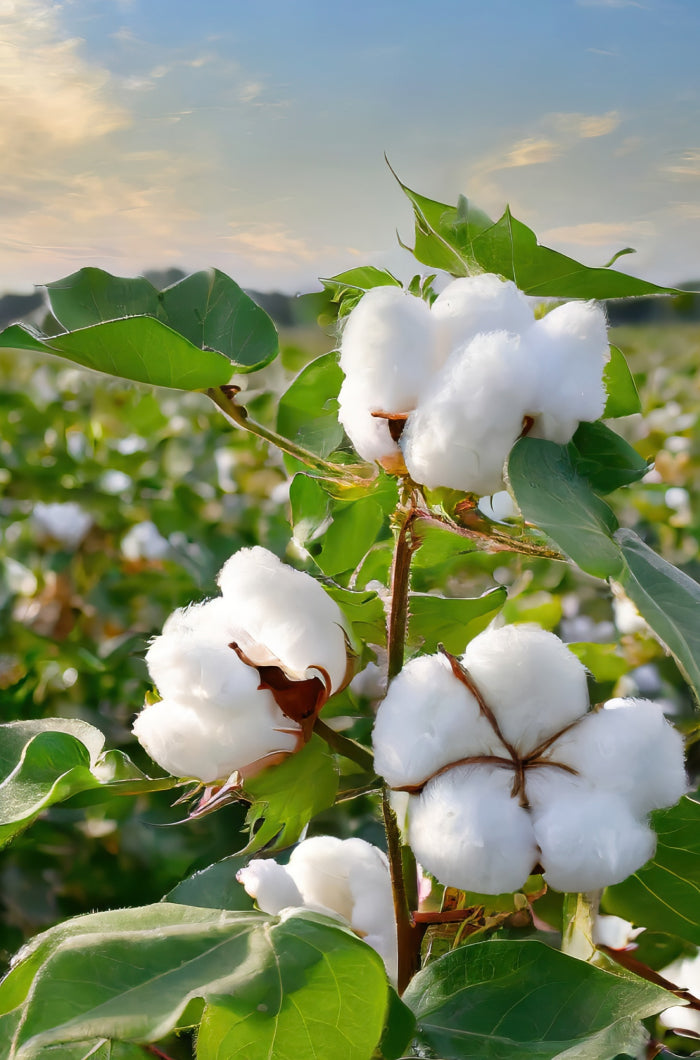
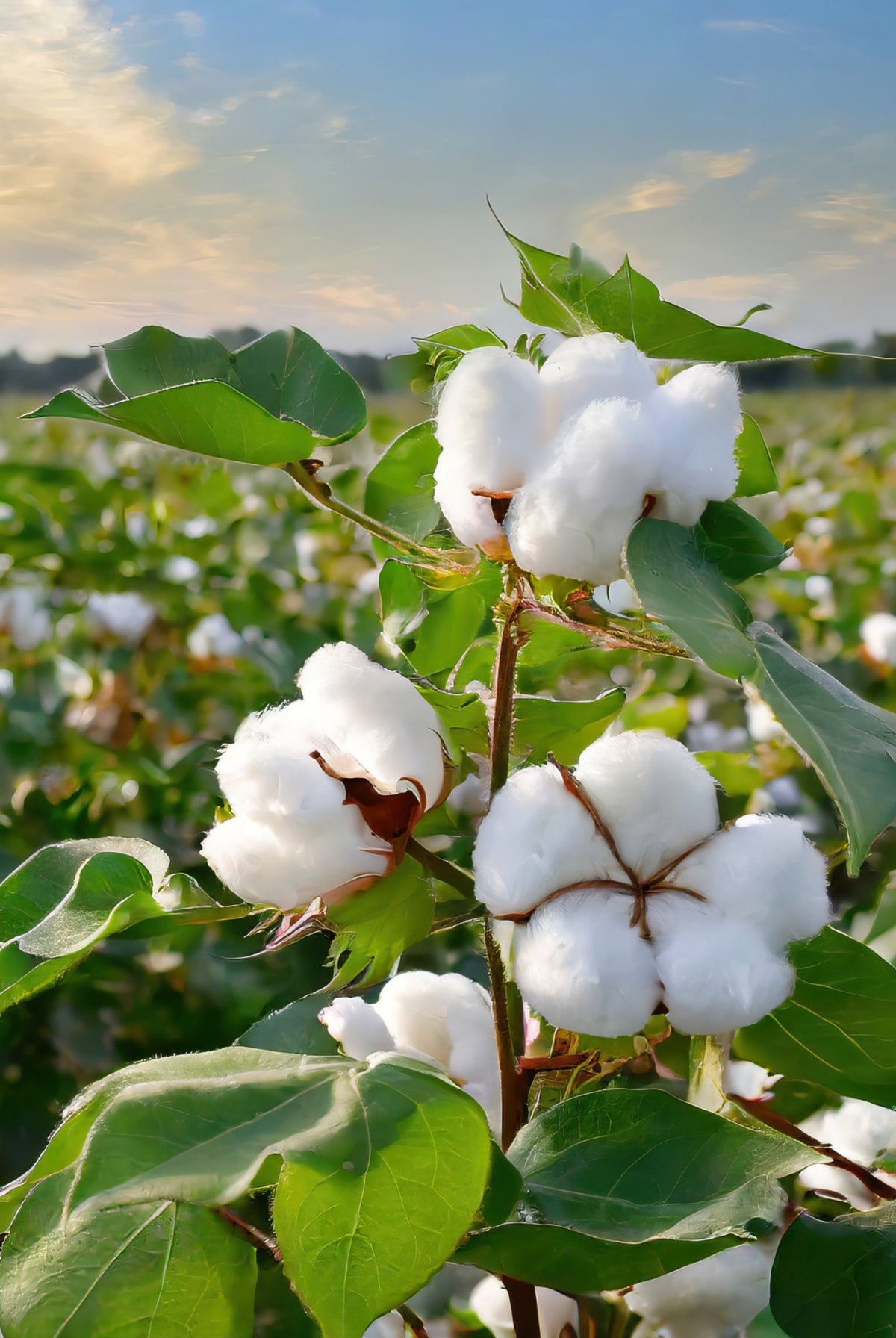
Organically grown cotton is grown from non-genetically modified plants and without the use of synthetic pesticides and fertilizers.
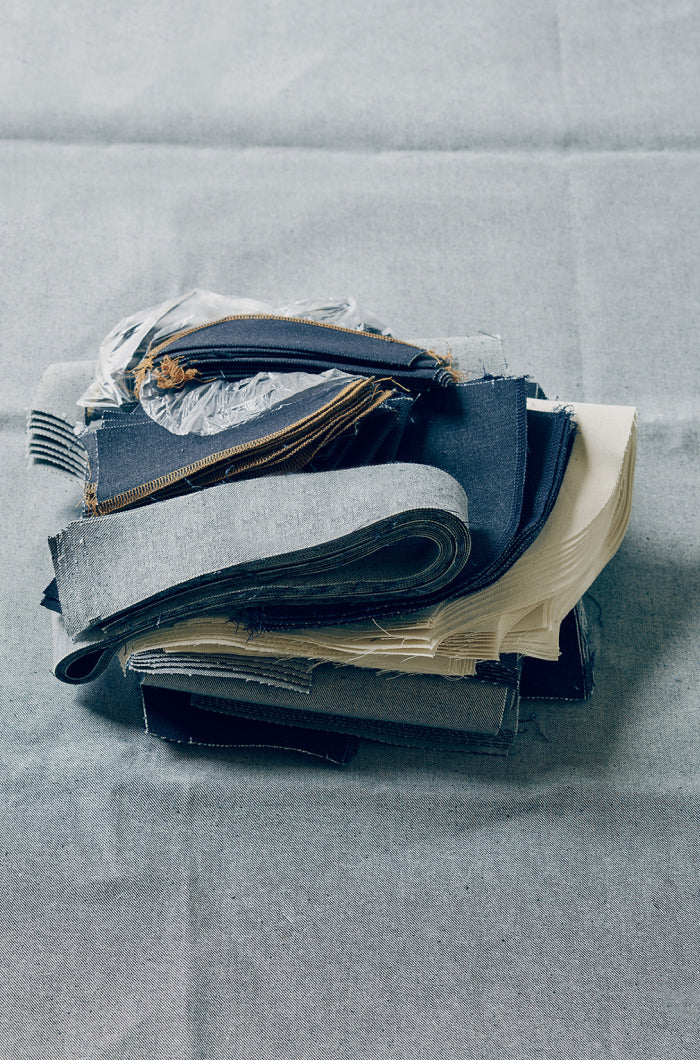
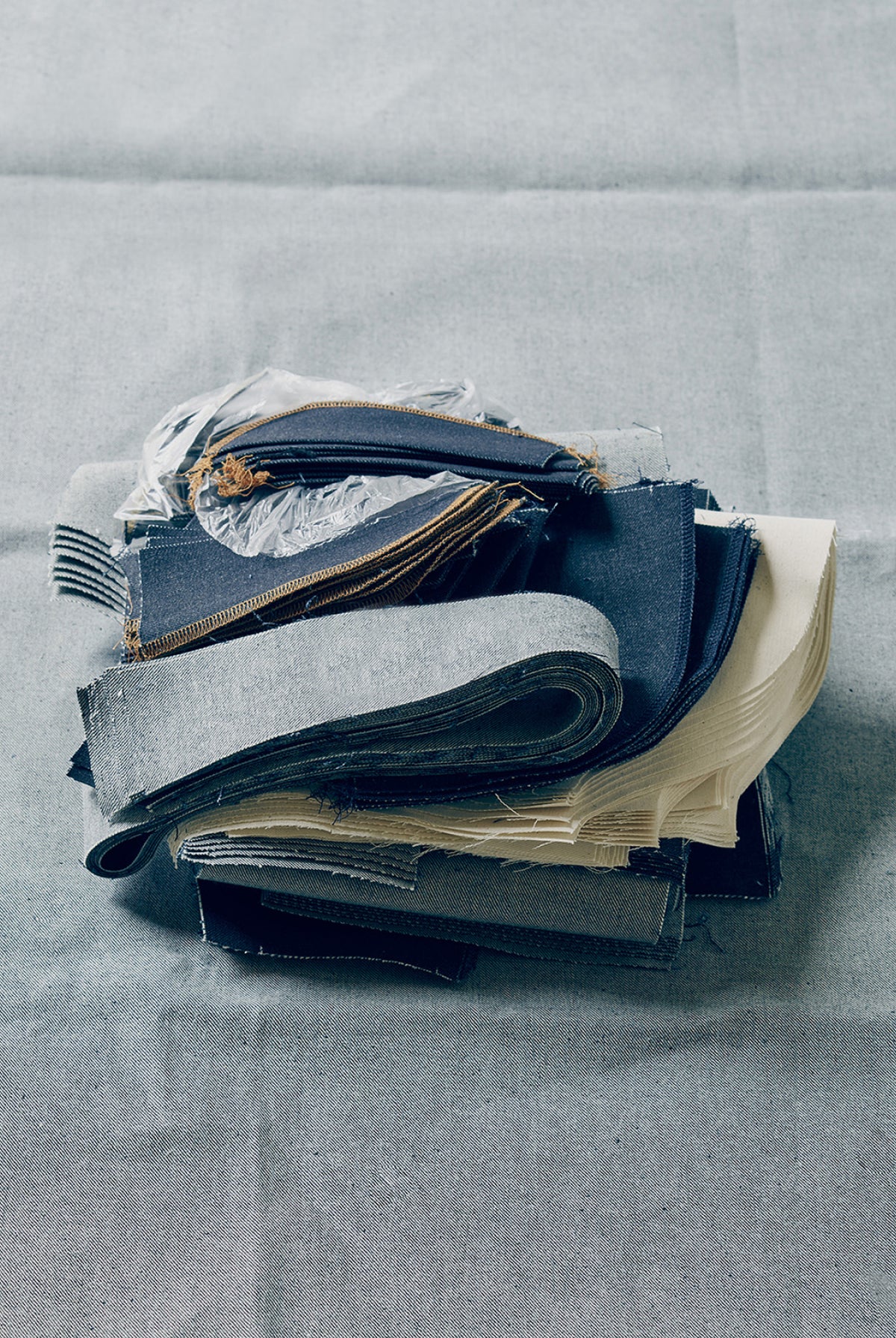
Compared to virgin materials, using recycled materials helps reduce resource use and waste.
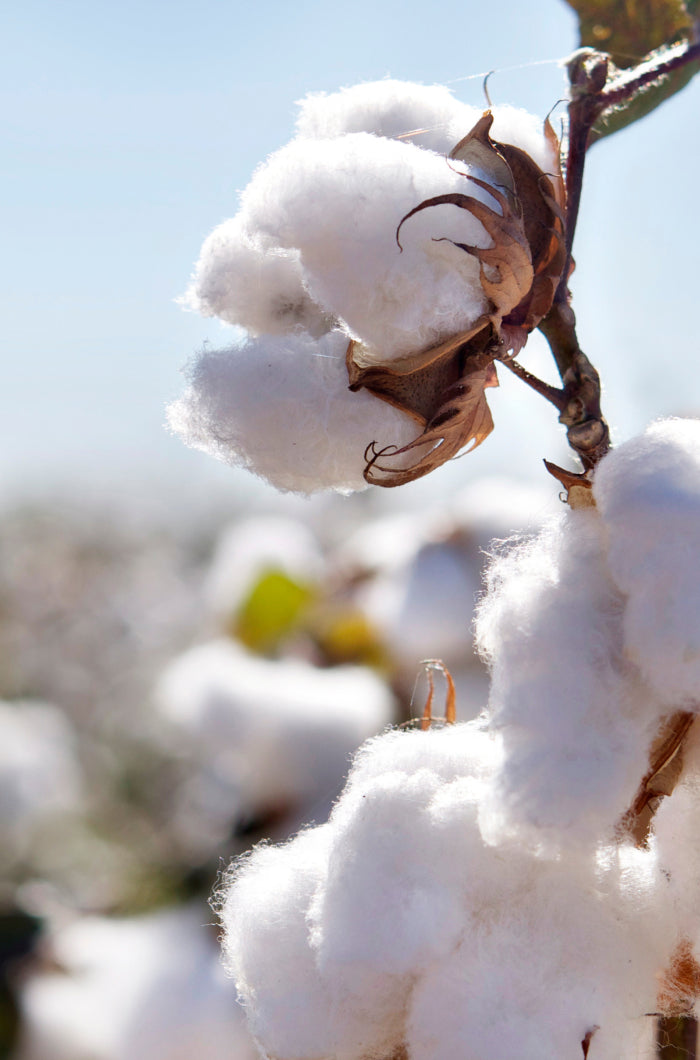
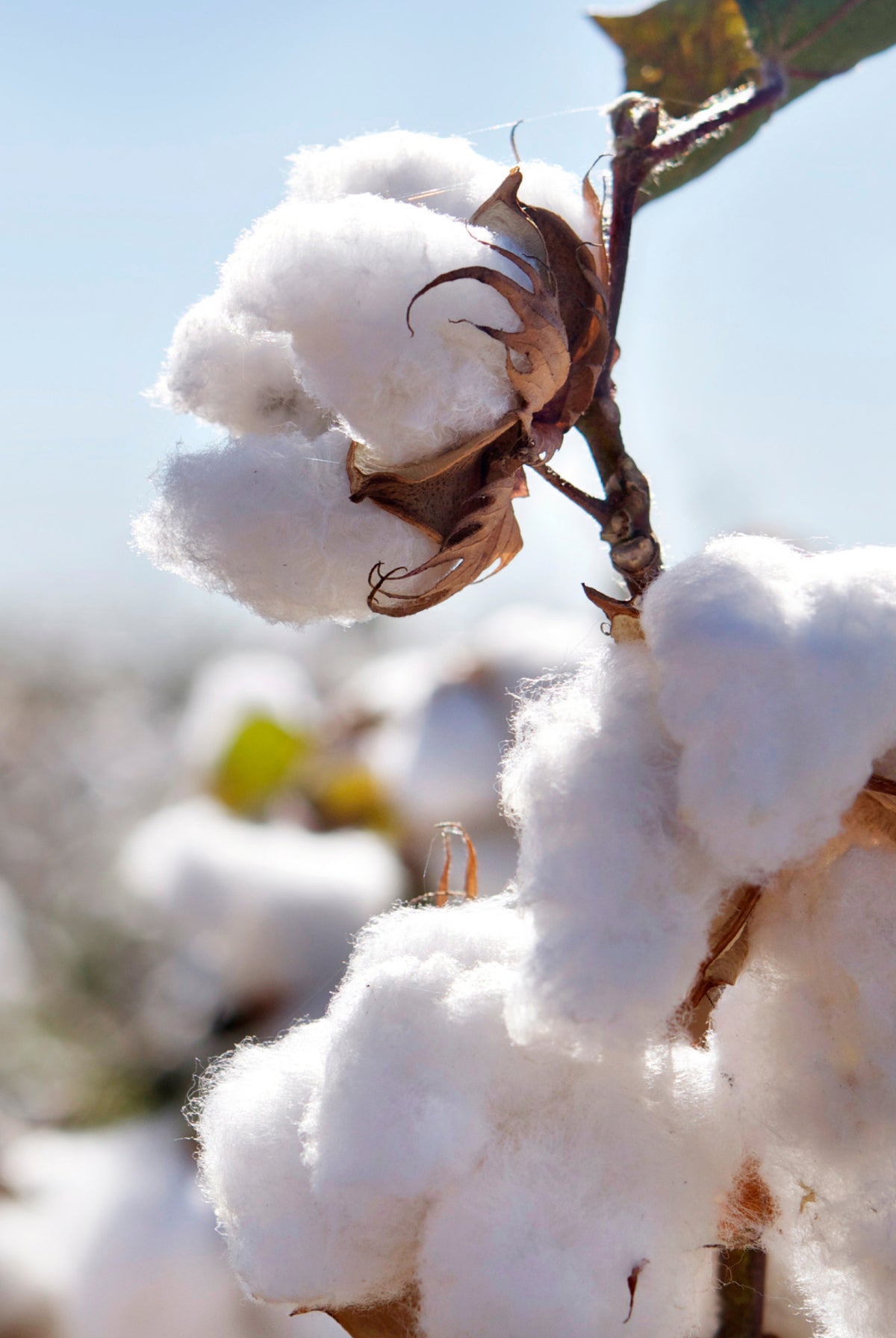
Regeneratively grown cotton is grown using holistic agricultural practices that aim to improve soil health and water retention.


TENCEL™ Lyocell and Modal fibers are made from wood, a natural and renewable raw material carefully sourced from responsibly managed forest growth rates, to ensure the continued availability of this valuable resource.
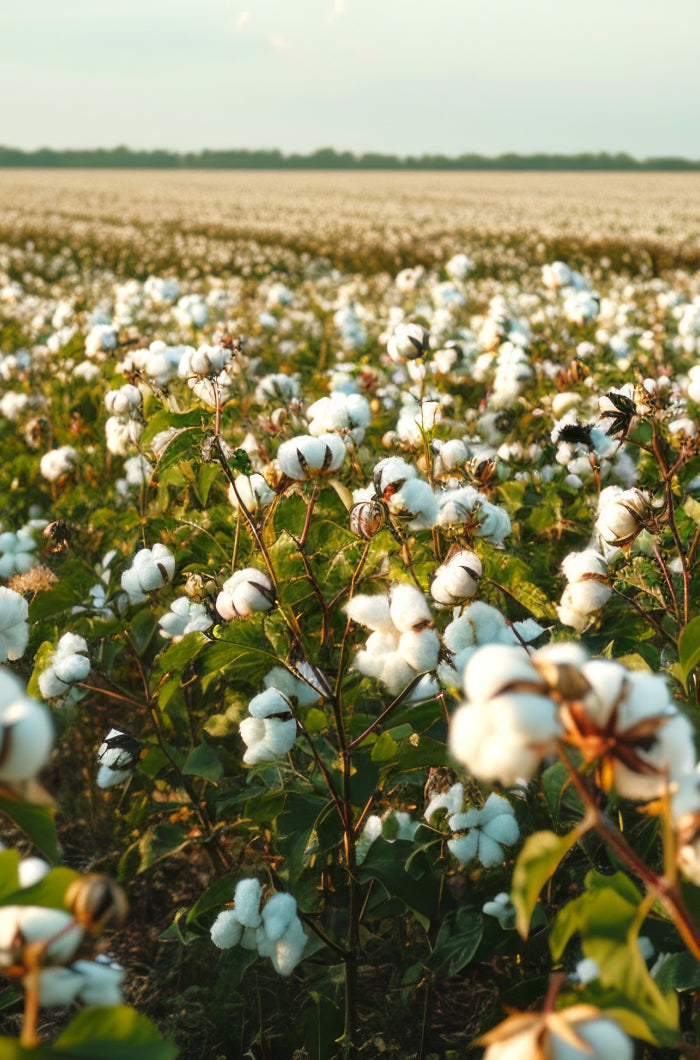
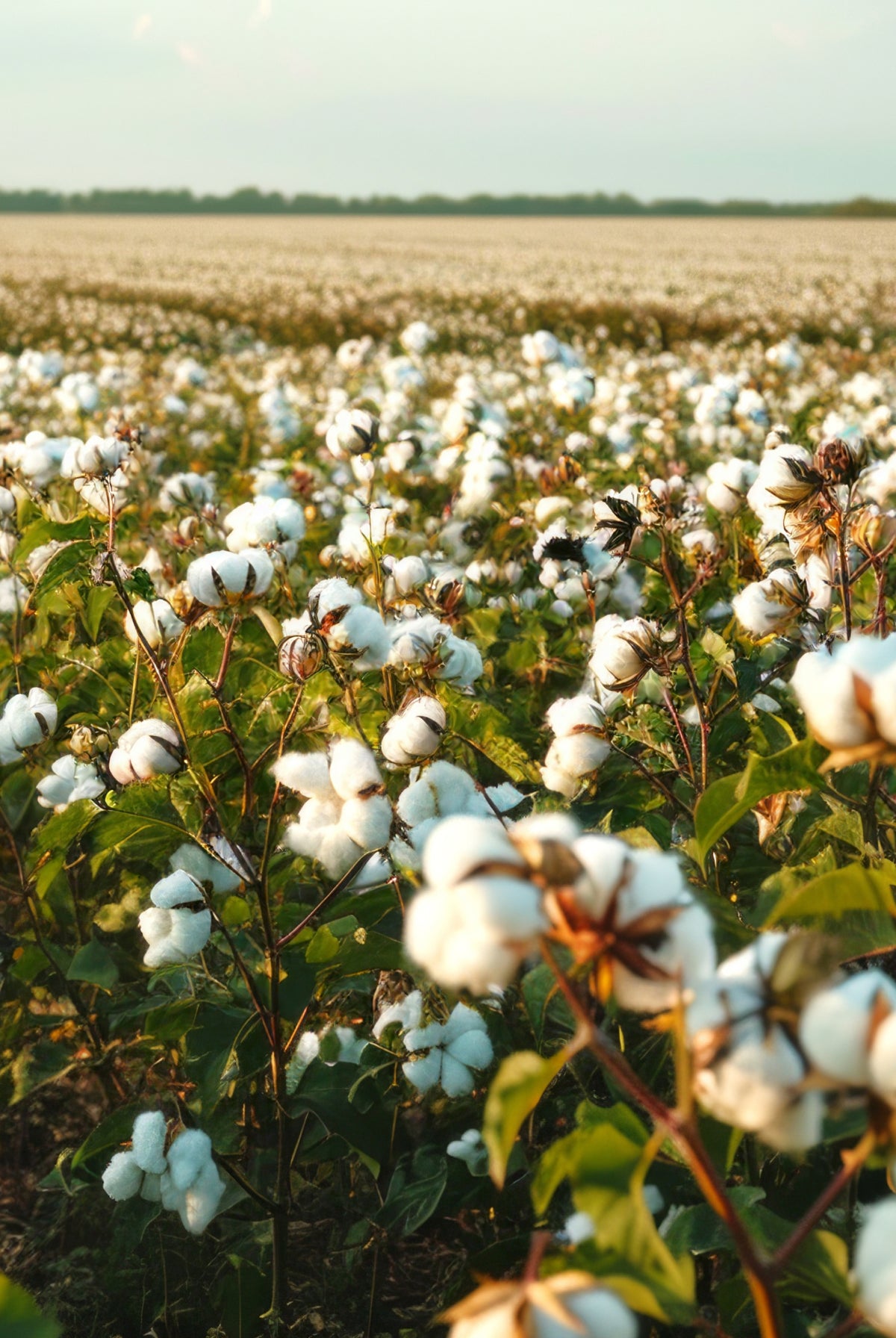
As members of the U.S. Cotton Trust Protocal, we particpate in a program for U.S.-grown cotton that supports best practices and continuous improvement in key areas, including soil health and water management. For more details, visit trustuscotton.org.


Gap Inc.'s Wood-Derived Fabric policy (https://www.gapinc.com/en-us/impact/policies-and-disclousres/sustainability-policies) prohibits sourcing of wood pulp for the production of cellulous-based textiles, including, but not limited to, rayon, viscose, lycoell, and modal from ancient and endangered high-carbon-value forests. We have diligent enforcement mechanisms across our supply chain to detect and avoid the use of these materials.
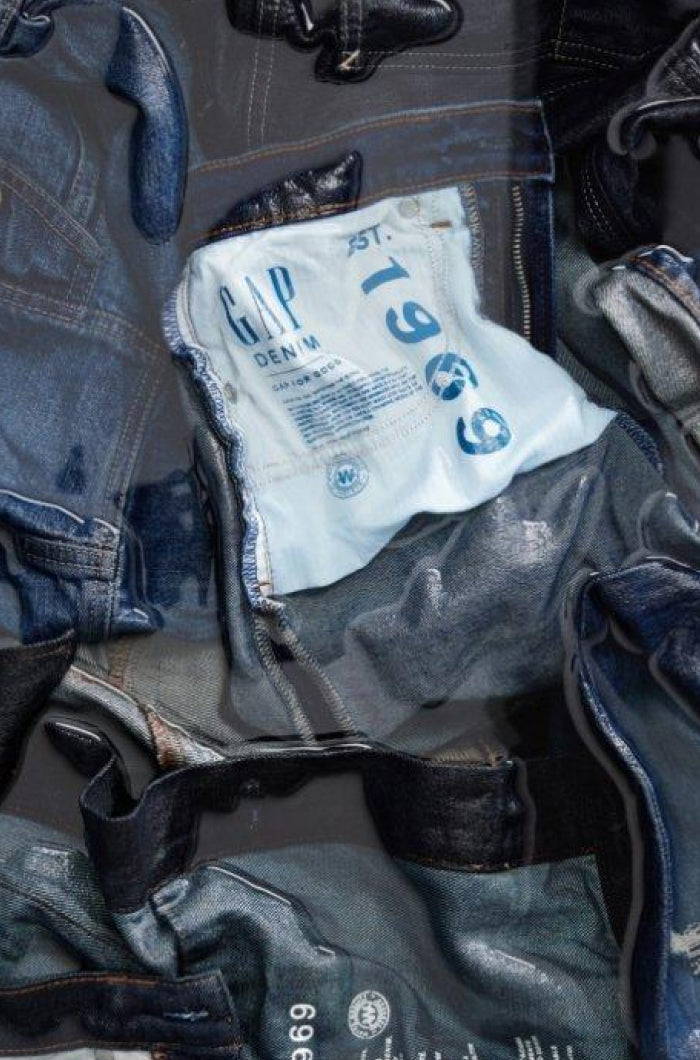

Developed in 2016 our Washwell program for eligible denim, woven bottoms (like khakis), and knits, uses at least 20% less water compared with convential wash methods. Non-washed products such as those made with raw denim or faux leather are not eligible for Washwell. Gap Inc. has saved 6 billion liters of water through Washwell since 2016.